
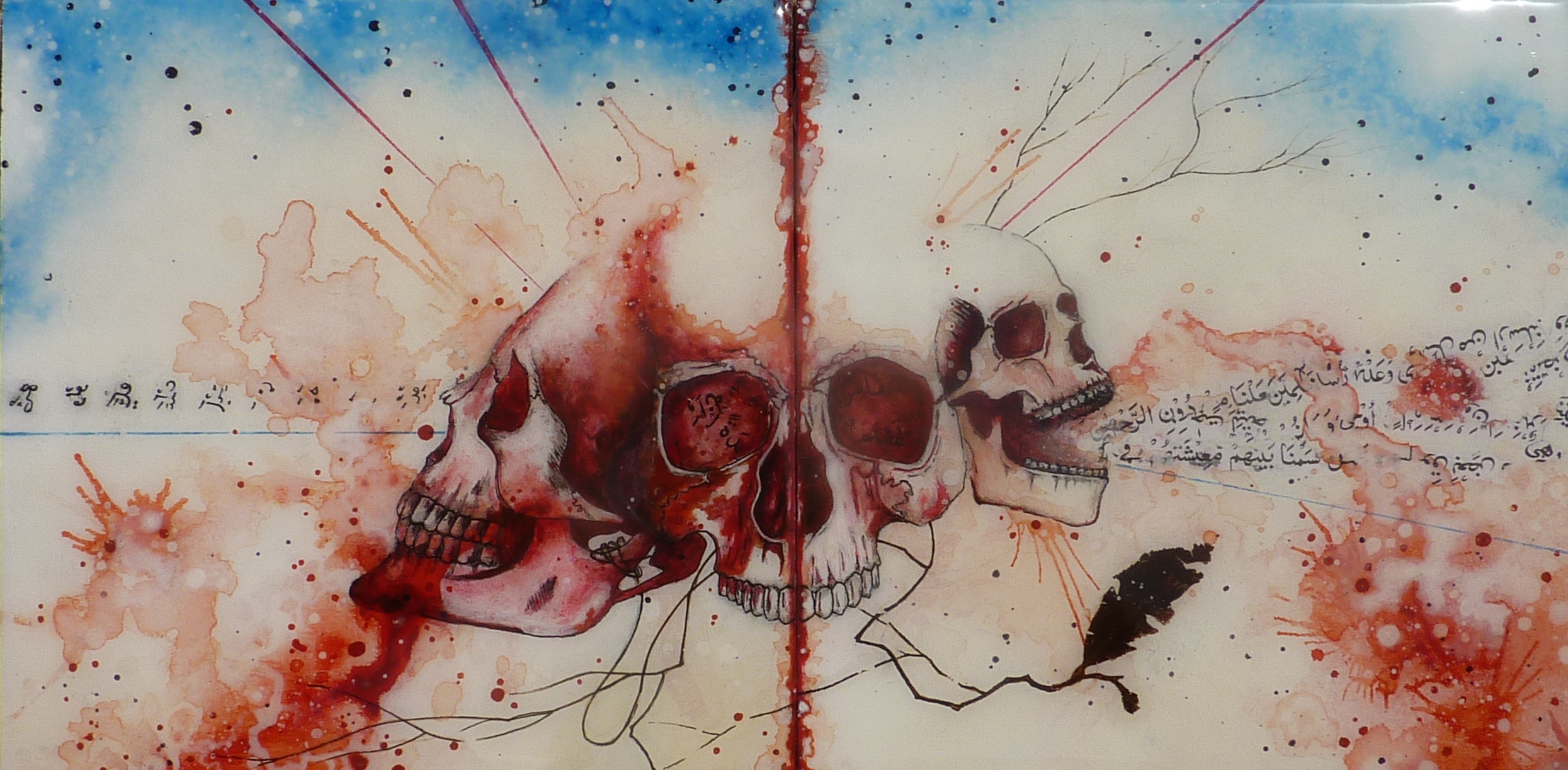
It not need be that Complex
On Spiritual Systems and the M.O.L.
When it comes to spiritual systems, where is a seeker to start? And bigger yet, where are they to finish? We can be philosophically confined by early conditioning or confused by the myriad of spiritual systems begging exploration. These paths, regardless of source or sources, hold truths so pure that they forbid confusion. Because of this, my own belief structure and spiritual practices have been formed from multiple traditions, working not in conflict, but in concert with one another.
The master humanist Alan Watts realized this and was himself an explorer of multiple traditions and philosophies.
“The meaning of life is just to be alive. It is so plain and so obvious and so simple. And yet, everybody rushes around in a great panic as if it were necessary to achieve something beyond themselves.”
~ Alan Watts
Exploring spirituality and framing a morally sound belief system, you can turn to any of the ancient and revered texts or religious systems for knowledge and guidance. If it suits and serves, adopt your dogma, cannon, faith, religion, etc., but recognize that it not need be that complex. Complexity can convolute the truth, cause exclusionary actions versus inclusionary acts. And there is a potential knock on effect of misconstruance in that portions of the ancient texts simply may not translate to our current existence.
Undeniably, Alan Watts’ quote hits on a truth we all must realize, but I think the idea can be taken a step further without complicating the perspective. What I humbly offer to add is a bit of shared purpose, linked meaning within the simplicity.
There’s not much point mincing words here, because no one I’ve met, not one sage, scientist, master, or reality explorer knows for certain what comes next…or if it even matters. And many suggest the end game is really here and now.
So, there are points of great value in the ancient sutras, gospels, epics, esoteric teachings and proverbial tales that descend from all of humanity’s cultural lineages and seeker predecessors. They have the potential to alter your life’s perspective and connection with the universe in good and profound ways; especially if there is a systematic path of practice and applied ritual coupled with them. There are many valid traditions, arts and texts to draw structure and methods from. No single approach nears being best. The very notion of best becomes a fallacy if you think your faith can somehow be greater than another’s. And some need not even have a religious faith.
Some of us are served by adopting all of such a tradition or practice, just part, a little part of many, or none of any as an aid along our personal Path. Some people’s Path may be poor or big, others intimate or rich, and the aid they’ve chosen should not be a point of contention. Ultimately, if the core of their actions are sending out concentric circles of goodness they’re already observing the base premises that I believe are within our life purpose.
The base premises are simple, we all already know them.
It always feels better to Help than to Harm.
It always feels better to Love than to Hate.
There is a reason for the truth of these premises, we are in this together. With a path of spiritual practice (including what is now being dubbed mindfulness), we can move past the often valuated limits of outer bodies to evaluate our inner. We can tame the distracting and exclusionary chatter of the mind, and find the inclusionary guidance of our hearts. We can become better versions of ourselves to improve the quality of our external world. It is about getting out of a mind-intellect swayed influence, and into a heart-wisdom based influence. It’s about giving the benefit of the doubt, acknowledging that despite (often superficial) differences, we want the same things, value the same things, and therefore are the same. If these premises can be held as truth, then we should simply want for others as we want for ourselves…and our actions should reflect that.
No one knows for sure what happens after our living ends, so logic says this may be it. Knowing what you’d like out of it, we should strive to enjoy and use this life…and helps others do the same.
It’s funny, I’m not presenting anything new, these base premises exist in all the supposedly different spiritual traditions and philosophical paths, they’re the Golden Rule...do unto others as you would have them do unto you. But their truth can be overridden when the potentially exclusionary complexities are mixed into our thoughts, confuse our hearts, and result in biased actions.
From what I’ve gathered so far, the big M.O.L., our lives’ opportunity, is to explore and enjoy this reality, both triumphs and tribulations, with this body and all its abilities, in the present, without detracting from, but instead aiding and uplifting, the experience of others.
You can debate approaches and methods, waste time on arguing faith and structure, but in the end it not need be that complex.
And be kind to one another. – Ephesians 4:32